Exploring the Energy Star Ratings of Outdoor Dehumidifiers for Sustainability
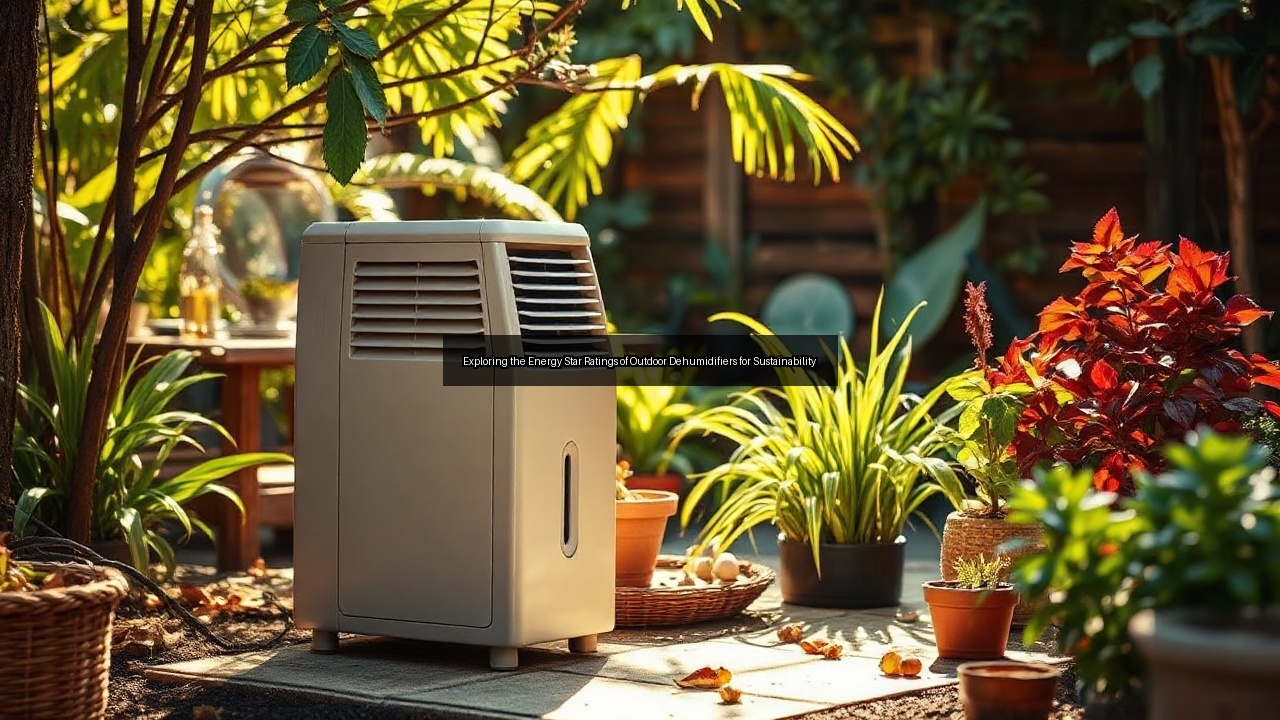
Understanding Outdoor Dehumidifiers and Their Importance for Humidity Control
The Role of Humidity in Outdoor Spaces
Humidity plays a critical role in outdoor environments, influencing comfort levels and the overall health of both people and structures. High humidity can create an uncomfortable atmosphere, making outdoor activities less enjoyable. It can also lead to issues like mold growth, wood rot, and damage to outdoor furniture. By controlling moisture levels, outdoor dehumidifiers help maintain a pleasant environment, ensuring that gardens, patios, and other outdoor spaces remain inviting. Additionally, managing humidity prevents the proliferation of pests that thrive in damp conditions, contributing to a healthier outdoor ecosystem.
Why Choose an Outdoor Dehumidifier?
Choosing an outdoor dehumidifier offers numerous benefits that enhance both comfort and sustainability. These units specifically target high moisture levels in the air, making them ideal for outdoor spaces like patios, pool areas, and basements. The primary advantage lies in their ability to mitigate the effects of excess humidity, which can lead to the deterioration of property and discomfort for users. Investing in an outdoor dehumidifier not only protects your outdoor investments but also creates a more enjoyable experience for gatherings and relaxation. Furthermore, using energy-efficient models can significantly lower electricity costs, aligning with sustainable practices.
How Dehumidifiers Work: A Closer Look at Dehumidification Systems
Outdoor dehumidifiers operate through a dehumidification system that efficiently removes moisture from the air. Most models utilize either a compressor or a desiccant method. Compressor-based dehumidifiers pull humid air over cold coils, condensing moisture into water that collects in a tank. In contrast, desiccant dehumidifiers use materials that absorb moisture, making them suitable for cooler temperatures. Understanding these systems is crucial when selecting an outdoor dehumidifier, as it impacts efficiency air dehumidifier and performance in varying humidity levels. A well-designed dehumidification system not only enhances comfort but also contributes to energy savings by reducing the load on HVAC systems.
Energy Star Ratings: What They Mean for Outdoor Dehumidifiers
The Energy Efficiency Spectrum: Why It Matters
Energy efficiency plays a significant role in the selection of outdoor dehumidifiers. The Energy Star rating system provides consumers with a benchmark for comparing energy consumption across different models. Dehumidifiers that carry this certification have undergone rigorous testing to ensure they meet strict energy efficiency guidelines. Opting for an Energy Star-rated dehumidifier not only reduces electricity costs but also promotes environmental sustainability. These models consume less energy while effectively managing humidity, making them a smart choice for eco-conscious consumers. Understanding where a product falls on the energy efficiency spectrum enables better decision-making and contributes to long-term savings.
Understanding Energy Star Certification
Energy Star certification signifies that a product meets or exceeds energy efficiency standards set by the Environmental Protection Agency (EPA). For outdoor dehumidifiers, this means the unit operates with optimal energy use while still delivering reliable dehumidification. The certification process includes testing for energy consumption in various conditions, ensuring that the product performs efficiently. Consumers should prioritize Energy Star-certified models when shopping for outdoor dehumidifiers, as these units not only help reduce energy bills but also minimize the overall carbon footprint. The certification serves as a trustworthy guideline for selecting a product that balances performance and sustainability.
Comparing Energy Consumption: Energy Star vs. Non-Energy Star Models
When comparing Energy Star-rated outdoor dehumidifiers to non-Energy Star models, the difference in energy consumption becomes evident. Energy Star models typically use 10-20% less electricity than standard units, translating to significant savings over time. This reduced energy consumption is crucial for environmentally conscious consumers who want to lessen their impact while enjoying the benefits of a dehumidifier. Non-Energy Star models may seem cheaper initially, but their higher electricity usage can lead to increased operational costs, negating any upfront savings. By choosing an Energy Star model, consumers invest in a product that aligns with both economic and ecological goals.
Factors to Consider When Selecting an Outdoor Dehumidifier
Capacity and Tank Size: Finding the Right Fit
When selecting an outdoor dehumidifier, capacity and tank size are crucial factors to consider. Dehumidifiers come with varying capacities, measured in gallons, indicating how much moisture they can remove from the air in a given time. For larger outdoor spaces, a high-capacity dehumidifier is necessary to ensure effective moisture control. Additionally, the tank size determines how often the unit needs to be emptied. A larger tank means less frequent maintenance, allowing for extended use without interruption. Assessing the size of the area you wish to dehumidify and understanding your moisture level needs will guide you in selecting the right unit for optimal performance.
Compressor vs. Desiccant Dehumidifiers: Which is Best for You?
Choosing between compressor and desiccant dehumidifiers hinges on understanding the unique advantages of each. Compressor models are often more efficient in warmer conditions, making them ideal for humid summer months. They excel in removing moisture quickly due to their cooling systems. In contrast, desiccant models work well in cooler temperatures and can operate effectively even in low humidity. Their design allows for consistent moisture absorption without relying on temperature. Evaluating your climate and specific moisture control needs will help you decide which type of dehumidifier is best suited for your outdoor space, ensuring optimal performance year-round.
Warranties and Product Longevity: What to Look For
Warranties play a significant role in assessing the longevity and reliability of outdoor dehumidifiers. A robust warranty reflects the manufacturer's confidence in their product and offers consumers peace of mind. Standard warranties typically cover defects in materials and workmanship, while extended warranties may include additional coverage for components like compressors. When evaluating options, consider the duration and terms of the warranty; longer and more comprehensive coverage indicates a higher-quality product. Investing in an outdoor dehumidifier with a solid warranty ensures that you receive support in case of any issues, enhancing the overall value of your purchase.
Maximizing Efficiency and Sustainability With Outdoor Dehumidifiers
Integrating Dehumidifiers into Your HVAC System
Integrating outdoor dehumidifiers into your existing HVAC system enhances overall efficiency and moisture control. Many modern HVAC systems can accommodate dehumidifiers, allowing for seamless air circulation and humidity management. This integration ensures that your indoor and outdoor spaces maintain balanced humidity levels. By working in tandem, the HVAC system and dehumidifier can optimize energy use, reducing the load on both units. This synergy not only creates a more comfortable environment but also promotes energy savings, making it a compelling option for homeowners focused on sustainability and efficiency.
Best Practices for Energy-Efficient Usage
To maximize the efficiency of outdoor dehumidifiers, implementing best practices is essential. Start by placing the unit in a location with good airflow, away from obstructions that can hinder performance. Regular maintenance, including cleaning or replacing filters, ensures optimal operation. Set the unit to the appropriate humidity level—generally between 30-50%—to avoid overworking the machine and wasting energy. Additionally, dehumidified consider using timers or smart technology to operate the dehumidifier only when necessary, further reducing electricity usage. By following these practices, users can enjoy the benefits of their outdoor dehumidifiers while minimizing energy consumption.
The Environmental Impact of Choosing Energy Star Models
Selecting Energy Star-rated outdoor dehumidifiers significantly impacts the environment by promoting energy conservation. These models reduce electricity demand, contributing to lower greenhouse gas emissions associated with energy production. By choosing products that adhere to energy efficiency standards, consumers play a part in fostering a sustainable future. Additionally, these dehumidifiers often utilize eco-friendly refrigerants, further minimizing their ecological footprint. As more people opt for Energy Star models, the collective effect becomes a powerful force in combating climate change, highlighting the importance of responsible consumer choices in today's energy-conscious society.